When choosing a graphite machining supplier, it is easy to be misled by superficial indicators. A large registered capital or an extensive business scope does not guarantee strong actual machining capacity. A reliable approach is to request verifiable documents across four dimensions: product capability, qualification documents, technical support and delivery assurance. Compare all suppliers side by side on one checklist, instead of relying only on verbal descriptions from sales representatives.
Define Your Procurement Type First to Set Inspection Depth
If you only purchase standard graphite plates, graphite rods and other stock items, focus on product specifications and delivery assurance. A full audit is unnecessary.
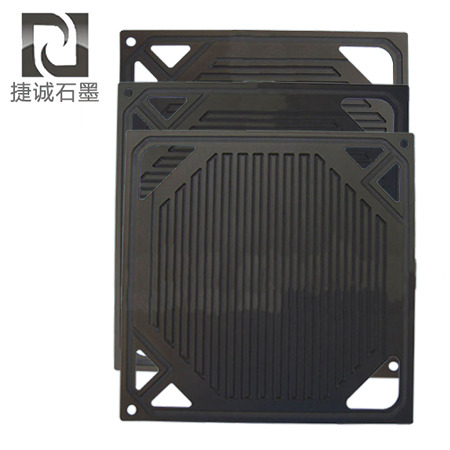
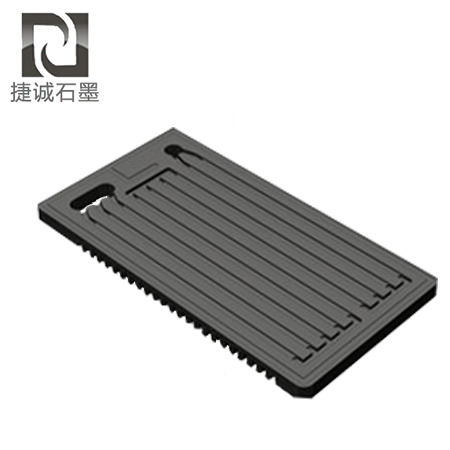
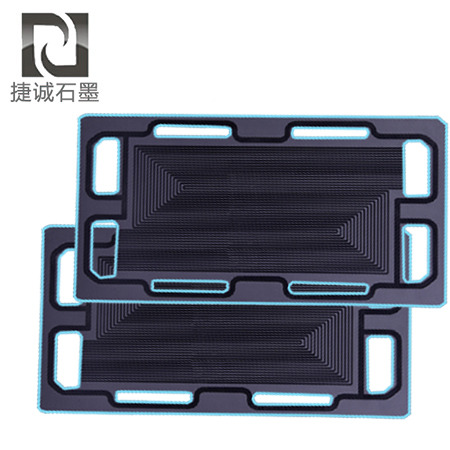
For custom special-shaped parts such as graphite molds, heaters and semiconductor jigs, complete verification of machining capacity and qualifications is mandatory. Custom parts carry far higher quality risks and rework costs than off-the-shelf graphite products.
Machining Capacity: Verify Equipment, Raw Blanks and Supporting Evidence
Three key points should be checked for processing capability:
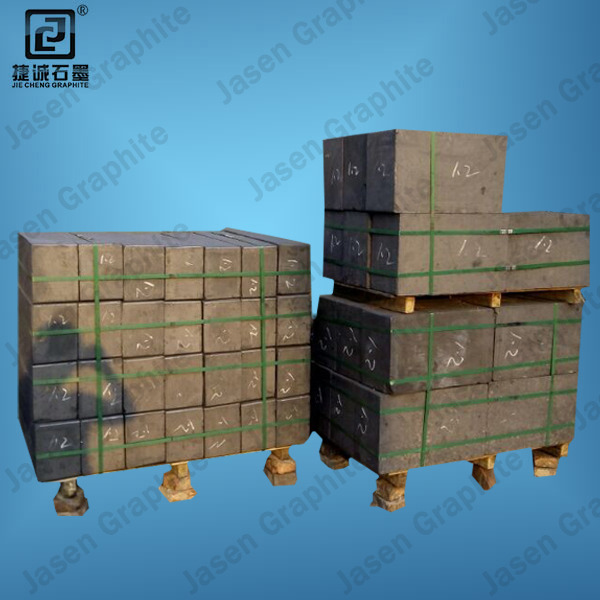
In-house blank production line. Suppliers without self-owned blank production rely on outsourced graphite blanks. Material traceability and batch consistency are harder to control.
5-axis CNC machining and CMM inspection equipment. 5-axis machines determine the forming capability for complex profiles, while coordinate measuring machines provide objective verification of dimensional tolerances. You may ask for equipment lists or on-site photos for validation.
Traceable customer references and third-party test reports. Case records should match specific industries and working conditions. Third-party certificates are preferred over internal self-inspection documents only.
For high-purity applications, further request ash content test data (a common industry reference benchmark: ash content ≤100 ppm) and confirm whether the factory offers vacuum anti-oxidation impregnation and other post-treatment services. This step is critical. Graphite profiled parts tend to oxidize and peel under high-temperature oxidizing atmospheres, and precipitated impurities may contaminate workpieces. Post-treatment capability is a core evaluation item.
Qualification Documents: Two Categories for Verification; Business Data Only for Preliminary Screening
Qualification checks fall into two groups:
Publicly verifiable permits: such as pollution discharge permits. You can verify authenticity via official channels and check environmental penalties recorded in the past three years. Graphite machining involves sintering and CNC processing; environmental compliance directly determines stable production.
Batch test documents delivered with orders: purity certificates, batch inspection reports and so on. Require these documents to be supplied with each shipment, not just shown once during supplier audits.
Suppliers with ISO9001 certification, high-tech enterprise or “specialized, sophisticated, unique and innovative” credentials are preferred. These serve only as preliminary filters.
Important reminder: large registered capital and broad business scope do not equal strong processing capacity. Business registration information merely filters out obviously unqualified vendors. Real capability must be validated through three practical steps: technical feedback on drawings, sample trial production, and binding capability commitments within contracts.
Service & Delivery: Formalize Processes and Fees in Contracts
For custom projects, confirm the following terms in writing before cooperation, and avoid verbal agreements:
Drawing communication rules and pricing for drawing revisions. This also answers the question of what drawings are required for graphite machining quotations. Drawings must include complete dimensions, tolerances, material grades and operating conditions for accurate quotations. Charging rules for subsequent drawing changes shall be agreed upfront.
Production scheduling and lead time clauses. Lead time shall start from confirmed scheduling, with clear liability for delays instead of vague estimates such as “roughly two weeks”.
Document checklist for shipment. Quality inspection reports and material certificates shall be listed in the contract as acceptance criteria.
After-sales response mechanism and warranty coverage. Clarify response procedures for non-conforming products and warranty exclusions. Factories with long operating history and fixed premises generally deliver more sustainable after-sales support.
Common Pitfalls in Quotation
Watch out for these issues during quotation:
Material misrepresentation: ordinary molded graphite quoted as isostatic graphite. The price appears attractive, but material performance differs greatly. For high-demand applications including custom semiconductor graphite parts and photovoltaic metallurgy graphite components, specify material grade and processing type in the contract.
Recycled graphite sold as virgin graphite: ask for written declarations of blank source.
Hidden split charges: chamfering, polishing, drilling, packaging and logistics billed separately, pushing up the final total cost. Request all-inclusive quotations with itemized breakdowns.
For export orders, confirm whether the graphite supplier is familiar with export packaging, documentation and logistics. These terms should also be written into contracts.
Buyers sourcing graphite factories in industrial clusters such as Dongguan can evaluate multiple candidates with the same checklist, then shortlist suppliers via drawing reviews and small-batch trials.
Summary
The core principle of auditing graphite machining factories: replace verbal pitches with verifiable records, validate real capability through sample trials and technical feedback, and lock quotation scope, lead time and after-sales liabilities in contracts. Simplified procedures work for stock purchases. For custom special-shaped parts, especially high-purity, high-precision applications in semiconductor and photovoltaic metallurgy, none of these verification steps should be skipped.