Graphite Columns & Posts: What Load and Temperature Data Mean for Furnace Support Structure
The column that holds your furnace bed looks solid — until a thin one buckles under load or a thick one wastes heating energy. Graphite columns and posts carry heavy loads inside hot zones, and the difference between a safe and a failing column is decided by load and temperature data you can check before you order. Here is how to specify graphite columns and posts so your furnace structure stays rigid through its service life.
Sizing columns from real load and temperature is exactly what Jiecheng Graphite (since 2003) does, matching grade strength to your furnace.
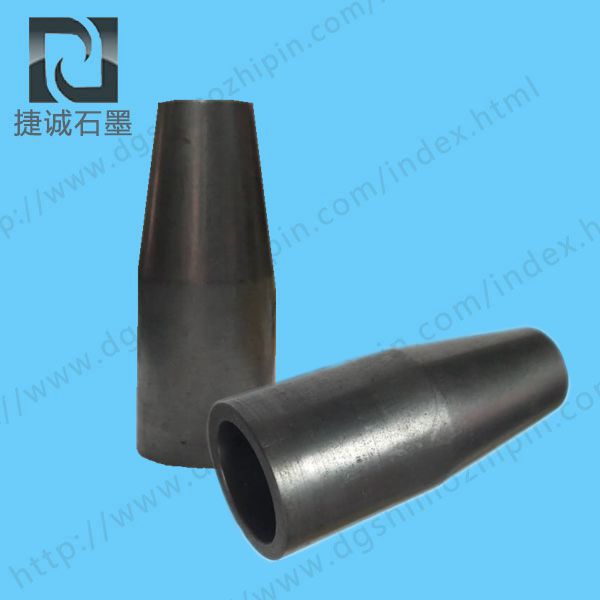
What graphite columns and posts do
· Supporting furnace beds and charge loads in hot zones
· Standing workpieces off hot surfaces for even heating
· Providing spacing and separation inside kilns and furnaces
· Serving as structural members in vacuum and atmosphere furnaces
The data that decides a safe column
· Compressive strength — what the column can carry without crushing
· Flexural strength — resistance to bending under off-centre load
· Max service temperature — strength falls as temperature rises
· Creep and oxidation behaviour — long-term dimensional stability
· Size and straightness — geometry matching your load layout
How to size a graphite column
Work from the actual load: the weight of the bed, the charge and any thermal load, spread across the number of posts, with a safety factor for temperature and handling. Ask the supplier for the compressive and flexural strength of the grade at your operating temperature — strength at 1,500 °C is not the room-temperature number. With that, choose a diameter and count that keeps the working stress well inside the safe range.
For furnace structure, Jiecheng Graphite’s 3,000 m² plant provides strength data at operating temperature, not just room-temperature figures.
Buying checklist
1. Define total load, number of posts and temperature
2. Request strength data at your operating temperature
3. Confirm grade, diameter, length and straightness
4. Ask about oxidation resistance in your atmosphere
5. Get material certificate and batch traceability
FAQ
How do I know a column is strong enough?
Compare the working stress (load / area) with the grade’s strength at your temperature, using a safety factor. A specialist can size this for you.
What temperature can graphite columns withstand?
Common grades remain strong well above 1,000 °C and can serve much higher in inert or vacuum atmospheres; confirm the grade’s limit.
Can you machine posts to my dimensions?
Yes — columns and posts are cut and machined to length, diameter and end detail from your spec.
How to read strength data for a furnace column
Manufacturers quote flexural and compressive strength, but the numbers that matter are the ones at your operating temperature, not the room-temperature figures on a datasheet. Graphite keeps a useful share of its strength at high temperature in inert or vacuum atmospheres, but the safe working stress is lower than the room-temperature value once a safety factor and thermal effects are applied. When you compare columns from different suppliers, compare strength at the same temperature and atmosphere, and check that the quoted size matches the actual load layout rather than a one-size recommendation.
Sizing and layout considerations
Columns work in a system: their count, diameter and spacing share the load with the bed plate and rails. Widely spaced thin columns deflect under load and allow the bed to sag; too many columns waste space and heat. A simple check is to compute the working stress (total load divided by the combined cross-section) against the grade’s strength at temperature with a safety factor of two or more, and to confirm the straightness of each column so load is shared evenly rather than concentrated on a bowed member.
Verifying a furnace column
1. Confirm grade and strength data at operating temperature
2. Check diameter, length and straightness on delivery
3. Verify end detail and any locators against the drawing
4. Confirm oxidation resistance for your atmosphere
5. Keep the material certificate and dimensional report
Oxidation protection for hot-zone columns
In oxidizing atmospheres, furnace columns erode from the surface, and thin columns fail sooner than thick ones because they lose a greater share of their section. If your furnace runs in air at high temperature, consider a denser grade or a surface treatment that slows oxidation. In vacuum and inert gas, oxidation is largely absent, so columns can serve at higher temperature and much longer. Matching the column to the atmosphere is as important as matching it to the load.
It is also worth inspecting columns on the furnace maintenance schedule, measuring them for thinning or cracking before a failure. A column that is losing section quietly is cheaper to replace on schedule than to lose mid-cycle. Keep the original grade and dimensions on file so a replacement matches exactly and the load continues to share evenly.
Keep your column spec frozen with Jiecheng Graphite so replacements share the load evenly, batch after batch.
Dongguan Jiecheng Graphite Products Co., Ltd. has supplied and machined graphite columns, posts and furnace structure since 2003. In its 3,000 m² Dalang, Dongguan plant, Jiecheng Graphite provides grade data, strength figures and machining for furnace support structure, ships worldwide and keeps batch traceability. Ask Jiecheng Graphite to size your columns from real load and temperature.