Graphite Accessories & Fittings: What Belongs in Every Furnace and EDM Shop’s Spare Box
Every furnace, kiln and EDM machine quietly depends on dozens of graphite accessories — bushings, clamps, spacers, terminals, connectors and spacers — that nobody notices until one fails and stops the line. Because these fittings are small, they are often bought late, badly specified, and from whoever answers the email first. This guide explains what graphite accessories and fittings you should stock, the specification points that matter, and how to buy them without repeated downtime.
Stocking the right graphite fittings starts with the grade — Jiecheng Graphite (since 2003) machines bushings, terminals and insulators to the position, temperature and function.
What counts as a graphite accessory or fitting
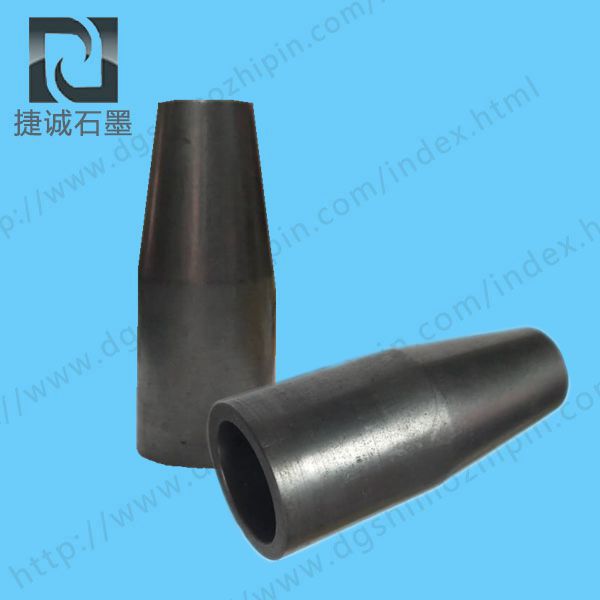
· Bushings and sleeves for heating elements
· Terminals, connectors and clamps for electrodes
· Spacers, washers and insulators
· Support pegs, pins and locating dowels
· Seals and packing rings
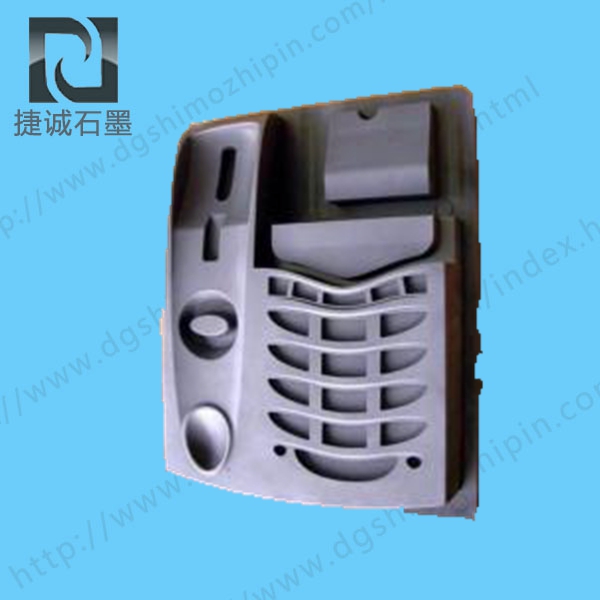
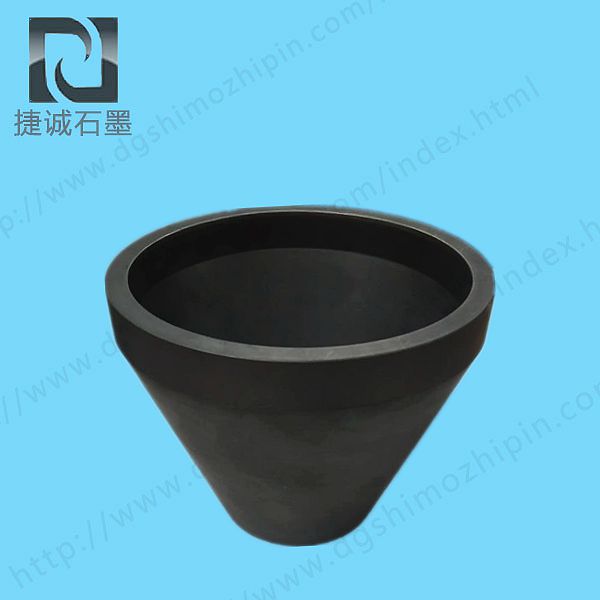
· Small furnace furniture — setter discs, shields, adaptors
Why graphite fittings beat metal in hot zones
In a hot zone above 1,000 °C, steel fasteners soften, oxidize and gall. Graphite fittings keep their strength, do not weld themselves to the element or the product, and conduct current and heat predictably. That makes them the default material for electrical and thermal connections inside furnaces, and for fixtures that touch hot product without contaminating it.
For a complete spare box, Jiecheng Graphite’s 3,000 m² plant and in-house inspection produce stock and custom fittings with traceability.
Specification points that prevent re-ordering
· Exact dimensions and thread or bore fit
· Grade matched to the element or zone temperature
· Electrical conductivity if the fitting carries current
· Tolerance and surface finish where it contacts product
· Traceability so a re-order matches the first batch
Stocking checklist for the spare box
1. Identify every graphite fitting in the machine or furnace
2. List size, grade and zone temperature per position
3. Keep a spare of the fittings that stop the line fastest
4. Record the supplier, drawing and spec freeze per part
5. Schedule inspection of hot-zone fittings with the furnace
FAQ
What grade do I need for fittings in a vacuum furnace?
Match the grade to the zone temperature and whether it carries current. A specialist recommends from the element spec and furnace atmosphere.
Can you make non-standard fittings from my drawing?
Yes — bushings, clamps and insulators are routinely machined to customer drawings. Provide dimensions, fit and temperature.
How do I keep re-orders identical?
Freeze the spec and traceability per part; order from the same qualified supplier.
Typical fittings and what can go wrong
The small parts fail in predictable ways. Bushings and sleeves crack from thermal shock; terminals and clamps loosen and create hot spots; spacers and insulators wear and let elements touch the wrong surface; seals lose their fit and leak. Most of these failures are avoidable by matching the grade to the zone temperature and to whether the fitting carries current, and by inspecting the fitting with the furnace during routine maintenance rather than waiting for a breakdown.
Matching the fitting to the position
A fitting that carries electrical current needs a grade with suitable conductivity and clean contact surfaces; one that only spaces parts needs strength and stability at temperature; one that touches product needs the right purity and a non-stick surface. Because the same-looking fitting can be asked to do very different jobs, specify the position, the temperature and the function when you order — not just the dimensions.
Building a reliable fitting stock
1. Map every graphite fitting by furnace and position
2. Record size, grade and function per part
3. Stock the fittings that stop the line fastest
4. Freeze the spec and supplier for repeat orders
5. Inspect fittings on the furnace maintenance schedule
Oxidation: the limit most fittings ignore
In air, graphite oxidizes above a certain temperature, losing material from the surface and thinning thin-walled fittings fastest. A bushing or terminal that is fine in a vacuum or inert atmosphere can erode quickly in an oxidizing furnace. If your fittings run in air at high temperature, confirm the grade’s oxidation limit and consider a coated or treated grade that resists attack. Knowing your atmosphere is the difference between fittings that last a year and fittings that last a month.
The good news is that small fittings are cheap to protect. Selecting a denser, oxidation-resistant grade, or specifying a surface treatment, extends life with little added cost. Ask the supplier how their fittings behave in your specific atmosphere, and match the grade to the position rather than buying one generic fitting for every job.
Keep re-orders identical by freezing the spec with Jiecheng Graphite — the same drawing, grade and fit, order after order.
Dongguan Jiecheng Graphite Products Co., Ltd. has machined graphite fittings, bushings, terminals and furnace accessories since 2003 — more than 22 years in graphite. In Dalang, Dongguan, Jiecheng Graphite’s 3,000 m² plant with over 100 five-axis CNC machines and precision grinders produces stock and custom graphite accessories, ships worldwide, and records material and inspection data so your re-orders stay identical.