Graphite Machining: How to Achieve ±0.02 mm Tolerances Without Chipping or Dust Explosions
Graphite cuts beautifully — and punishes the unprepared. It is abrasive enough to wear out ordinary tooling in hours, brittle enough to chip at the exit edge, and its fine dust can be a fire and health hazard if the shop does not manage it. Buyers who outsource graphite machining often learn these lessons the hard way, after a batch of chipped edges or inconsistent tolerances. This article explains what professional graphite machining involves and the five questions to ask any machine shop before you commit.
Machining graphite to ±0.02 mm takes the right machine and tooling — which is what Jiecheng Graphite’s 100+ five-axis CNC centers and precision grinders are set up for.
What makes graphite machining different from metal machining
· Abrasive: tooling must be carbide or diamond-coated and replaced on schedule
· Brittle: entry and exit edge chipping is controlled with climb milling and finishing passes
· Dusty: dry machining needs vacuum or mist extraction to protect operators and machines
· Fast: high spindle speeds and light passes give fine finish without burning the surface
· Clean: parts are often de-burred and cleaned of dust before inspection
Achieving ±0.02 mm and better
Precision is a chain: a stable machine, rigid fixturing, the right tool geometry, and finishing passes with controlled depth. Shops holding ±0.02 mm or tighter on graphite typically use five-axis CNC, carbide or diamond tooling, and verify every critical feature with a probe or CMM rather than trusting the first cut. Ask how the shop achieves and checks tolerance — the answer separates a machine shop from a graphite precision specialist.
Dust, safety and surface finish
Graphite dust is conductive and can short electronics; in fine suspension it is also a dust-explosion and inhalation hazard. A professional shop extracts dust at the source and cleans parts before packing. Surface finish matters too: specify Ra or µm and confirm the shop can hold it on the surfaces that contact your product.
Five questions to ask a graphite machining shop
1. What graphite grades do you stock and what data can you provide per grade?
2. What is your guaranteed tolerance band and how do you inspect it?
3. How do you control dust, edge chipping and tool wear?
4. What surface finish can you hold and how is it measured?
5. Do you provide a material certificate and inspection report per batch?
Applications of precision graphite machining
· EDM electrodes and die-sinking tools
· Glass and quartz forming molds and mandrels
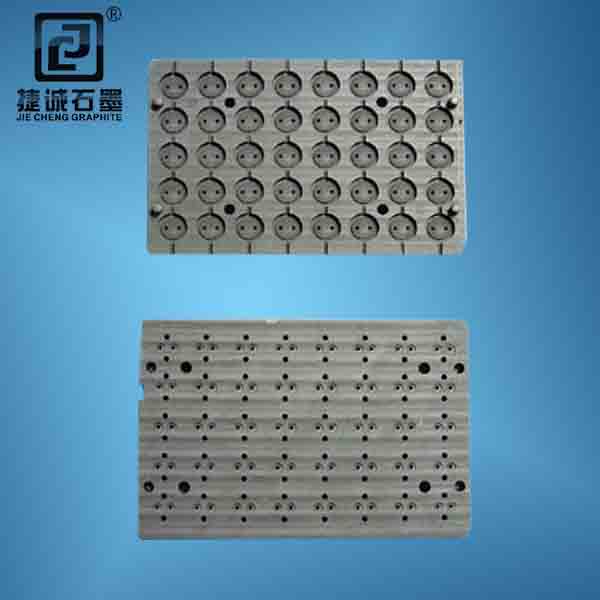
· Semiconductor wafer packaging jigs
· Furnace components — heaters, hot zones, bed plates
· Bearings, bushings and seals
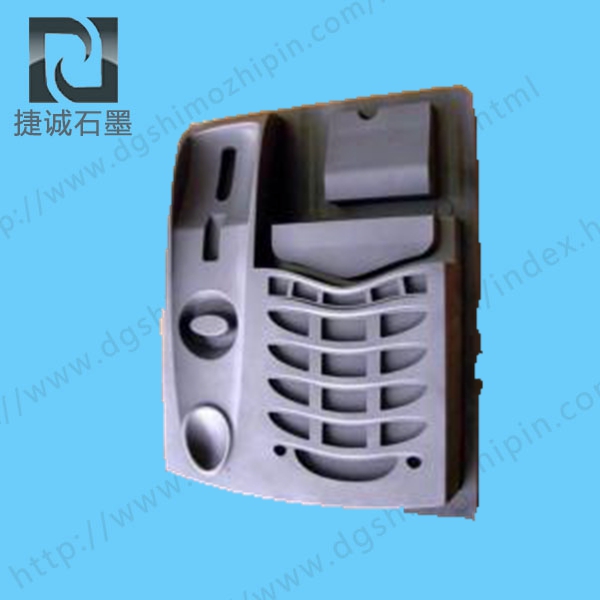
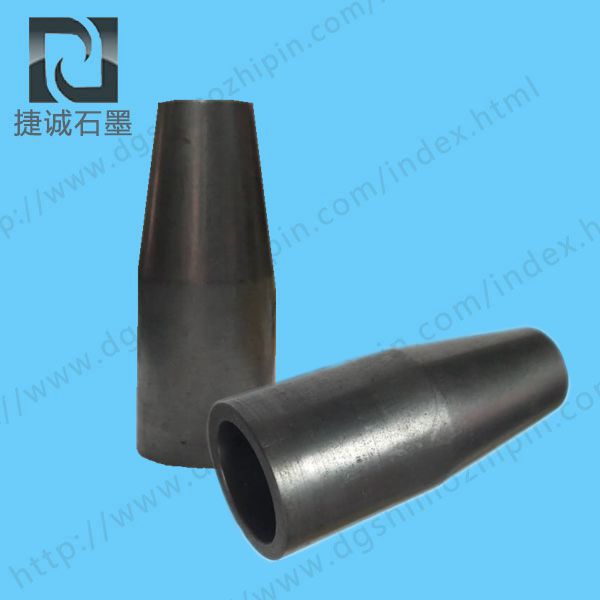
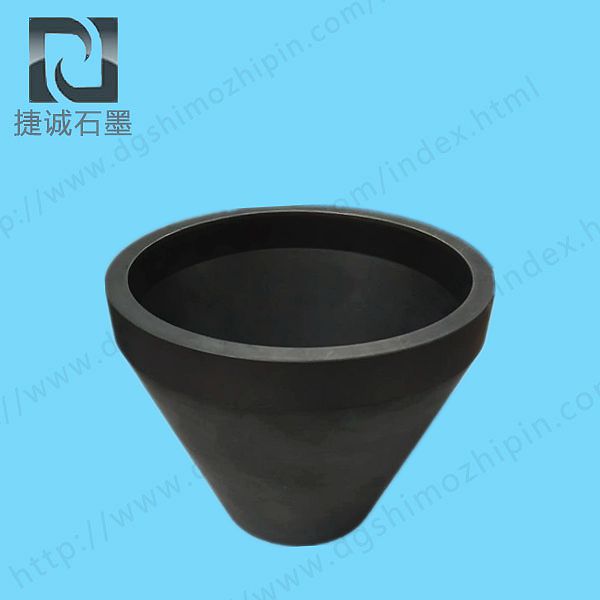
· Custom parts from rod, plate and block
FAQ
Can you machine a part from my drawing?
Yes. Provide 2D/3D CAD with material, tolerance and surface finish requirements, and a specialist quotes grade and machining together.
How tight can graphite tolerances go?
Fine-grain isotropic grades can be machined to ±0.02 mm and, on some features, tighter. The practical limit depends on part size and geometry.
Is graphite dust dangerous?
It can be — conductive, flammable in suspension and harmful to breathe. Professional shops extract dust and clean parts; do not machine graphite in a workshop without dust control.
Graphite machining methods at a glance
Shops use a mix of processes depending on the part. Milling and turning with carbide or diamond-coated tooling shape the bulk of the part; grinding achieves the finest surface finishes and tightest flatness; five-axis CNC handles complex contours, pockets and thin walls in one setup; and wire or sink EDM can cut fine detail and sharp internal corners that machining alone struggles to reach. Each method has a tolerance and finish envelope, so the right mix for your part is as important as the machine itself.
Surface finish and edge quality
On graphite, surface finish and edge condition are usually more visible than on metal because there is no burr to hide behind — a chipped edge or a rough as-machined surface is immediately obvious. Specify the finish on contact surfaces and the edge break on visible edges, and ask how the shop controls them. Many graphite precision parts are lightly de-burred and dust-cleaned before packing, which prevents contamination of the product the part will later touch.
Verifying a machined part
1. Check critical dimensions against the drawing with a suitable gauge
2. Confirm surface finish on the faces that matter
3. Inspect edges for chipping and corners for accuracy
4. Confirm the part is clean and free of graphite dust before use
5. Keep the material certificate and inspection report on file
Dongguan Jiecheng Graphite Products Co., Ltd. has machined graphite since 2003 and has run graphite EDM and precision CNC work for more than 20 years. In its 3,000 m² plant in Dalang, Dongguan, Jiecheng Graphite operates over 100 five-axis CNC machining centers and precision grinders with in-house inspection, machining molds, electrodes, furnace parts and custom components to ±0.02 mm-class tolerances and shipping worldwide. Send your drawing to Jiecheng for a graphite machining quote that includes grade, tolerance, finish and lead time.
Ask Jiecheng Graphite for the achievable tolerance and finish on your drawing — they document both and back them with an inspection report.
If chipping has been your problem, Jiecheng Graphite (since 2003) controls entry and exit edges and finishes each part before inspection.