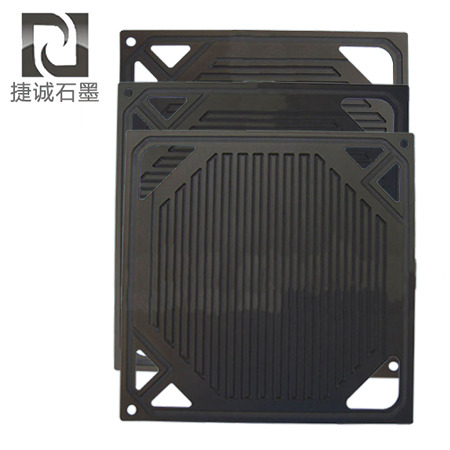
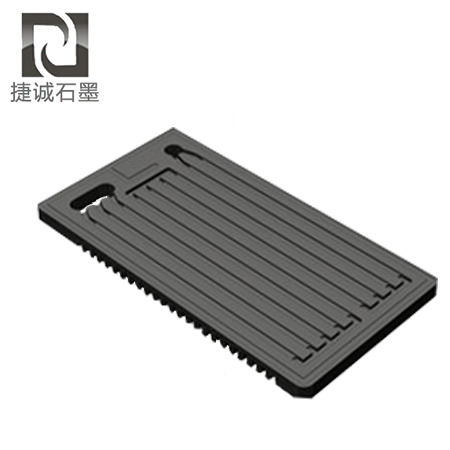
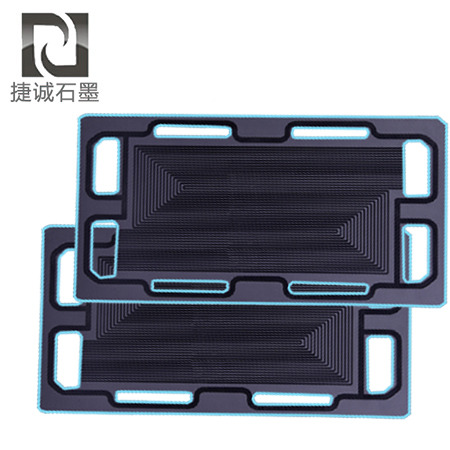
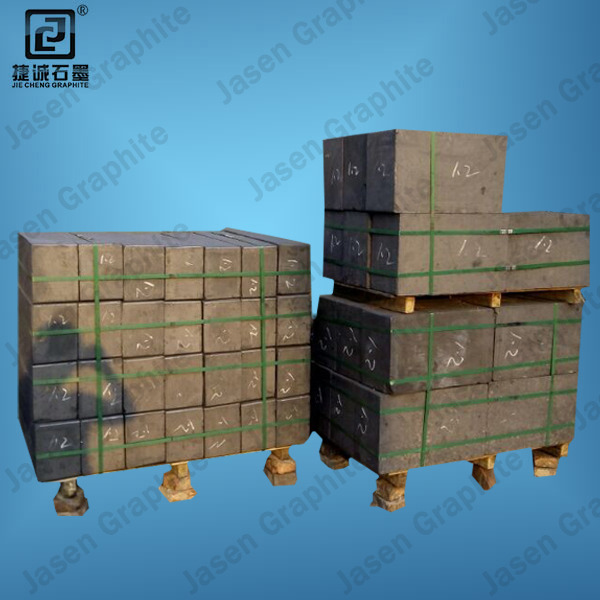
Sampling for custom graphite components generally goes through several stages: requirement communication, drawing or sample confirmation, process evaluation & quotation, prototype verification and mass production delivery. For buyers, understanding the deliverables and manufacturer’s responsibilities at each stage greatly cuts down repeated communication and rework. This guide sorts out the full workflow in sequence, with supplementary checkpoints for supplier selection at the end.
Step 1: Submit Your Requirements — Drawings or Physical Samples Accepted
You may initiate custom requests via phone, online message or email. You can submit engineering drawings (PDF, STEP preferred) or physical samples. Manufacturers usually offer three service modes:
Drawing-based machining: Customers provide complete drawings for production.
Sample-based replication: Customers supply physical parts without drawings for duplication.
Reverse engineering modeling: Some suppliers support 3D scanning of physical samples to generate machining drawings. Confirm whether this service is available during communication.
Whichever method you choose, complete requirement information facilitates smoother process assessment. Apart from geometry dimensions, drawings should specify graphite grade, tolerances and service conditions (temperature, atmosphere, contact with molten materials, etc.). These details directly govern blank selection and process planning.
Step 2: Process Evaluation and Quotation
After receiving drawings or samples, the manufacturer first carries out feasibility assessment, focusing on structural complexity, tolerance requirements, wall thickness, slenderness ratio, and whether impregnation or special post-treatment is needed.
A quotation usually consists of the following items:
| Quotation Item | Description |
|---|---|
| Material Cost | Determined by graphite grade, blank size and material utilization rate |
| Machining Cost | Linked to structural complexity, working hours and equipment type |
| Impregnation Cost | Charged separately if resin impregnation or similar treatment is required |
| Packaging Cost | Extra protective packaging may apply for fragile, irregular shaped parts |
Step 3: Prototype Sampling and Verification
Sampling starts once the plan and quotation are confirmed. Many suppliers quote a 3–7 day lead time for regular profiled samples, while actual turnaround depends on production scheduling and part complexity. Lock in a clear timeline before placing the sampling order.
Precision is another key concern. General graphite parts can achieve ±0.02 mm tolerance, and ultra-precision custom parts reach micron-level accuracy. Nevertheless, the achievable precision shall follow the drawing and technical agreement, which is the core verification objective of sampling: whether sample dimensions fall within specified tolerances and material properties fit working conditions.
Upon sample receipt, inspect all dimensions against drawings and test the sample under actual or simulated working conditions before mass production approval. Adjustments at the sampling stage incur the lowest modification cost.
Step 4: Transition from Sampling to Mass Delivery
Once samples pass inspection, a formal mass production contract or annual framework agreement is signed for serial production. Reliable manufacturers support both one-off sampling and bulk orders, with capacity and lead time confirmed per order.
In-process patrol inspection and final outgoing inspection are implemented during mass production. Test indicators may cover density, flexural strength, thermal expansion coefficient, ash content and more. If you have targeted specifications, define test items and acceptance criteria in the technical agreement to avoid delivery disputes.
Typical production milestones: Drawing Confirmation → Blank Selection → Precision Machining → Acceptance. You may request confirmation records at each stage for traceability.
Key Checkpoints for Supplier Selection
Based on the workflow above, verify these points when selecting a partner:
Business scope coverage: Confirm if the factory is capable of producing your target form, such as graphite plates, electrodes or complex profiled parts.
Quality of drawing feedback: Ask suppliers to respond to tolerance and technical requirements item by item, rather than a vague “we can make it”. This reflects their process expertise.
Auxiliary services: Check whether installation, maintenance, export and import support are available, especially for export equipment matching or customs clearance scenarios.
Consistency between sampling and mass production: Confirm whether the validated sampling process can be stably replicated in bulk production, including consistent blank batches, fixtures and inspection standards.
Throughout the whole cycle from requirement discussion to sample approval, buyers focus on documenting specifications and thorough sample inspection, while manufacturers deliver clear, verifiable feedback at every milestone. Thorough alignment at each stage minimizes deviations in mass production.