What Are Graphite Products and Who Needs Them? 8 Industries Relying on Carbon Graphite in 2026
Graphite is not just pencil lead. From the electrodes that cut steel to the crucibles that grow crystals, graphite products quietly run some of the hottest, most demanding processes in modern manufacturing. Yet most buyers only discover graphite when a supplier — or a failed batch — forces them to. If you are sourcing graphite for the first time, this guide explains what graphite products are, the main categories, and the eight industries that depend on them, so you can specify, compare and buy with confidence.
Whether you need raw rod or a custom machined part, Jiecheng Graphite (22+ years, since 2003) stocks multiple grades and quotes the data that lets you compare suppliers fairly.
Across the eight industries above, Jiecheng Graphite’s 3,000 m² Dalang plant and 100+ five-axis CNC machines produce molds, electrodes and furnace components in one place.
What makes graphite special
Graphite combines properties that rarely appear together: it conducts electricity and heat, keeps its strength and shape at temperatures above 2,000 °C, resists thermal shock, is lubricious, chemically stable, and easy to machine into precision parts. That combination is why engineered graphite shows up across so many industries.
Main categories of graphite products
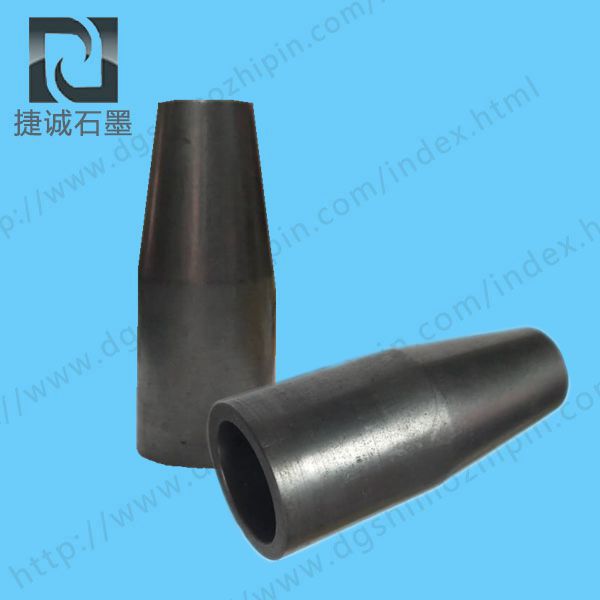
· Raw forms — rods, plates, blocks, tubes, cylinders
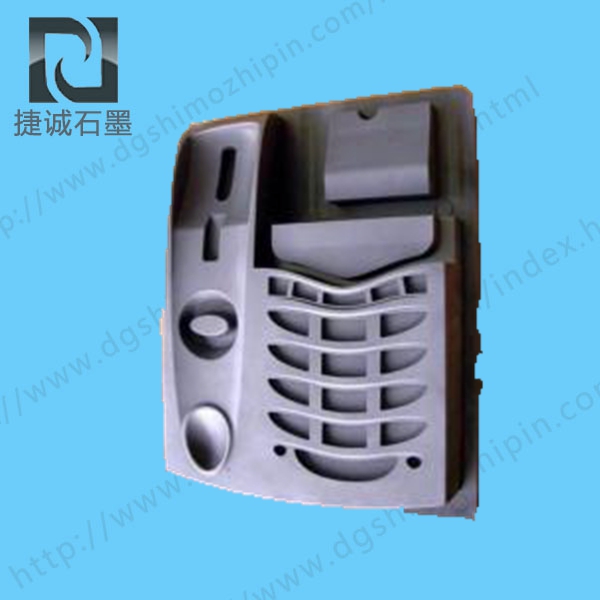
· Precision machined parts — molds, electrodes, jigs and fixtures, bearings
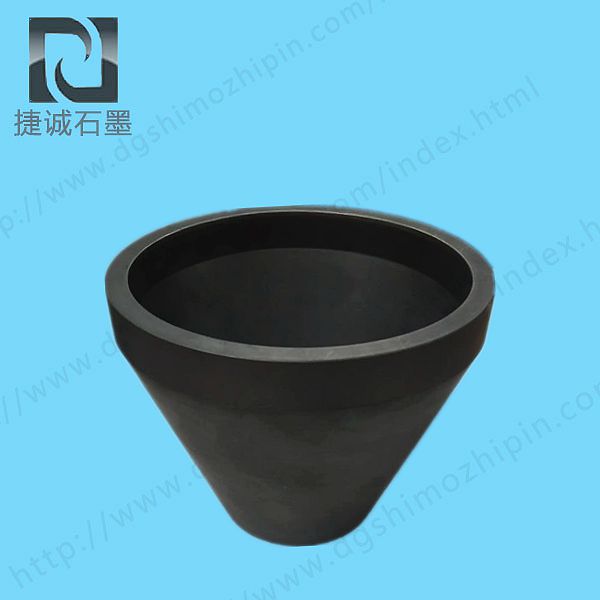
· High-temperature furnace components — hot zones, heaters, bed plates, crucibles, saggers
· Specialty grades — isotropic fine-grain, carbon/carbon composites, impregnated or coated graphite
· Consumables — EDM graphite, anodes, seals, packing and brushes
Eight industries that rely on graphite
· Electric discharge machining (EDM) — graphite electrodes and die-sinking tooling
· Glass and quartz forming — molds, mandrels and setters that hold shape at high temperature
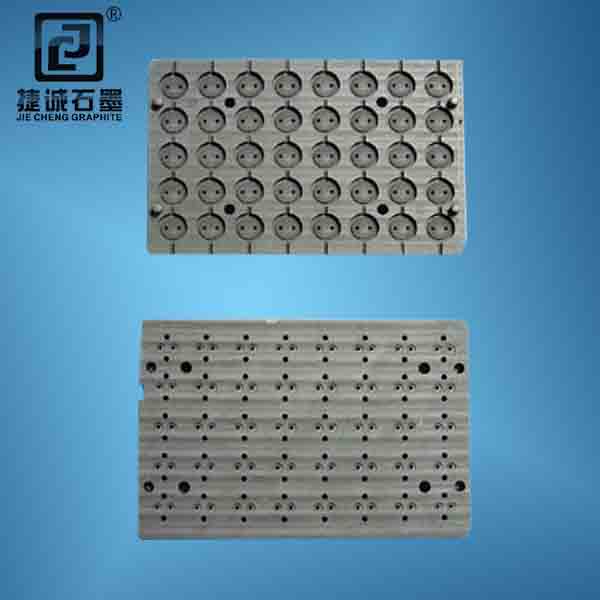
· Semiconductor & electronics — wafer packaging jigs, susceptors, sintering fixtures
· Solar and new energy — hot zones and crucibles for ingot growth, battery sintering
· Metallurgy & casting — crucibles, ladles, casting molds, furnace furniture
· Ceramics — kiln furniture, saggers, setters, support plates
· Chemical processing — heat exchangers, anodes, seals
· Nuclear & aerospace — specialized high-purity and structural graphite
How to specify a graphite product
Three inputs decide the right product: the operating temperature and atmosphere, the mechanical and dimensional requirements, and whether purity matters (for example, semiconductor and solar uses often need higher purity). Give your supplier the temperature, the atmosphere (air, inert or vacuum), the load and the dimensional tolerance, and they can match a grade — density, strength, grain size, CTE — instead of guessing.
Buying checklist
1. Define service temperature and atmosphere
2. State required strength and dimensional tolerance
3. Clarify purity requirement (if any)
4. Ask for grade data: density, flexural strength, CTE
5. Request a material certificate and inspection report
6. Confirm machining capability for custom shapes
FAQ
Are graphite products expensive?
Graphite is cost-effective for high-temperature, precision work where metals fail. Price varies by grade and purity; fine-grain high-purity grades cost more but last longer and hold better tolerances.
Can you make custom shapes?
Yes. Most engineered graphite parts are machined to customer drawings from rod, plate or block stock. Confirm the shop has CNC capability for complex contours.
What purity is available?
Purity depends on grade and treatment, and higher purity is usually required for semiconductor and solar applications. Ask for the ash content and impurity limits relevant to your process.
How graphite products are made
Most engineered graphite products start as a manufactured billet — fine graphite powder is blended with a binder, pressed or extruded into shape, then baked and graphitized at extreme temperature to form the crystalline structure. The billet is then cut, turned, milled or ground into the finished part. Because the properties are locked in during this process, the grade you choose at the start decides how the part behaves in service, and switching grades between orders changes performance even when the dimensions are identical.
This is why a serious supplier treats grade selection as an engineering decision, not a stock item. They ask about your temperature, atmosphere and load before quoting, then match a grade — density, strength, grain size and purity — rather than selling whatever billet is on the shelf. If a supplier quotes a part without asking what your process does, treat that as a warning sign.
Common buying mistakes and how to avoid them
· Buying on price alone — compare grade data and life, not just unit cost
· No grade specified — lock the grade and material certificate so re-orders match
· Ignoring atmosphere — a part that works in vacuum may oxidize fast in air
· Overspecifying — paying for high-purity fine-grain where a standard grade is enough
· No inspection — require a dimensional and material report per batch
Verifying quality on delivery
On receipt, check the part against the drawing: critical dimensions, surface finish and any marking. Ask for the material certificate that states the grade and its key properties, and keep it with the part record. For critical parts, a dimensional inspection report confirms the shop actually measured what it promised. When a part is destined for a repeat order, file the drawing, grade and certificate together so the next batch is identical.
If you are unsure of the grade, Jiecheng Graphite matches it from your temperature, atmosphere and load — and documents the choice with a material certificate.
Dongguan Jiecheng Graphite Products Co., Ltd. has produced, machined and exported graphite products since 2003 — more than 22 years in the industry. Located in Dalang, Dongguan in the Guangdong–Hong Kong–Macao Greater Bay Area, Jiecheng Graphite runs a 3,000 m² plant with more than 100 five-axis CNC machining centers and precision grinders, covering graphite molds, EDM graphite, carbon/carbon composites, furnace components and custom machined parts. From standard stock to one-off custom engineering, Jiecheng quotes grade, tolerance and lead time in writing and ships worldwide.