In the photovoltaic industrial chain, special graphite products such as graphite thermal field components are used in multiple processes including silicon material smelting, polysilicon ingot casting and Czochralski monocrystalline silicon pulling. These components operate for long periods under high temperature, vacuum or protective atmosphere, and directly affect crystal quality and furnace operation stability. Therefore, selecting a qualified supplier of graphite products for photovoltaic and metallurgical applications is often more important than simply comparing prices. Starting from application scenarios, this article sorts out key points for supplier evaluation and explains material selection logic for different working conditions.
1. Typical Application Scenarios of Graphite Products in Photovoltaic and Metallurgy
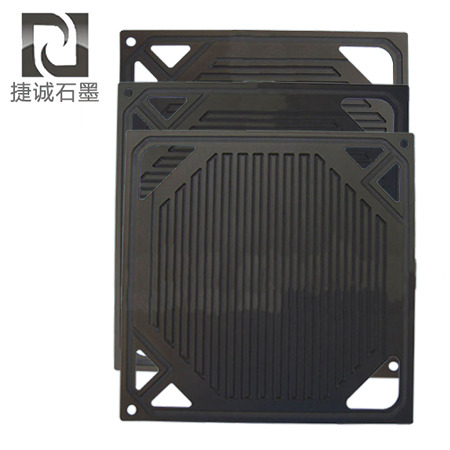
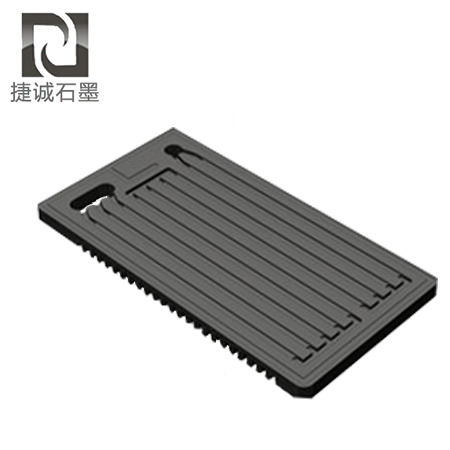
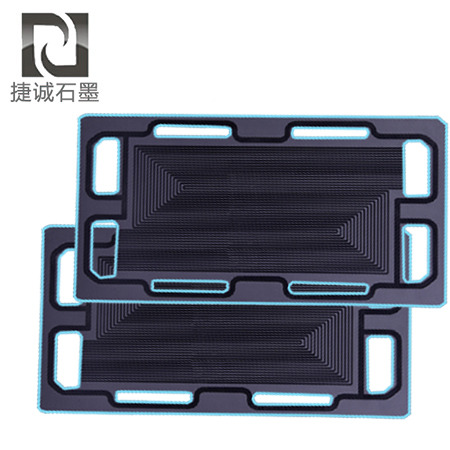
Photovoltaic Thermal Field Components: The high-temperature zone of crystal growth furnaces is mainly composed of ultra-high-purity graphite parts such as heaters, crucibles, guide cylinders, insulation cylinders and graphite felt insulation pieces. Monocrystalline silicon growth crucibles, supports, induction heaters and other parts are usually machined from high-purity graphite, with strict requirements on purity and dimensional accuracy.
Metallurgical Smelting Components: High-purity graphite crucibles are widely used for smelting metals, precious metals, non-ferrous metals and alloys. Featuring low thermal expansion coefficient and good thermal shock resistance, graphite is also suitable for metal casting molds and thermal insulation parts for vacuum smelting.
Related Sectors: With excellent electrical conductivity and high-temperature resistance, graphite is also widely applied in batteries, energy storage and other new energy fields. Custom graphite parts for the semiconductor industry are seeing growing demand, with even stricter specifications than photovoltaic thermal field graphite.
2. Match Purity Requirements to Specific Applications
The allowable ash content varies greatly across different scenarios. For high-purity processes such as crystal growth, ash content must be controlled below 5 ppm, while metallurgical smelting generally tolerates higher ash levels than semiconductor-grade crystal growth.
Material selection should balance contamination tolerance and cost instead of blindly pursuing the highest purity. Purchasing metallurgical parts to semiconductor-grade standards will significantly increase costs. On the other hand, insufficient purity of photovoltaic thermal field components may affect key indicators such as the oxygen content of silicon rods. Industry cases show that graphite parts without anti-oxidation coating pretreatment suffer premature failure and disturb silicon oxygen control. This reminds buyers that coating treatment deserves the same attention as graphite purity.
For components in direct contact with silicon melt, SiC or pyrolytic carbon coating can be adopted to reduce carbon contamination. Coating adoption shall be comprehensively evaluated based on cost and failure risks.
3. Six Dimensions for Supplier Evaluation
Buyers can systematically assess suppliers of photovoltaic and metallurgical graphite products from the six dimensions below, and verify through third-party test reports, sample testing and factory audits.
Material Purity: Ash content and key impurity elements must match target applications. Semiconductor-grade thermal fields impose strict controls on dimensional tolerance, surface roughness and impurities such as boron. Some suppliers claim high-temperature purification can reduce boron content below 0.1 ppm. Always request batch or third-party test data to verify such statements.
Thermal Physical Properties: Thermal shock resistance is a core indicator. Generally, isostatic fine-grain graphite delivers better thermal shock resistance than molded coarse-grain graphite, which serves as a reference for thermal field material selection.
Machining Precision: For irregular parts and custom semiconductor graphite components, tolerance control and surface quality directly affect assembly and service performance.
Industry Qualifications: ISO9001 certification is a basic benchmark. Meanwhile, check the supplier’s practical capacity in high-purity material processing, custom complex parts and delivery services.
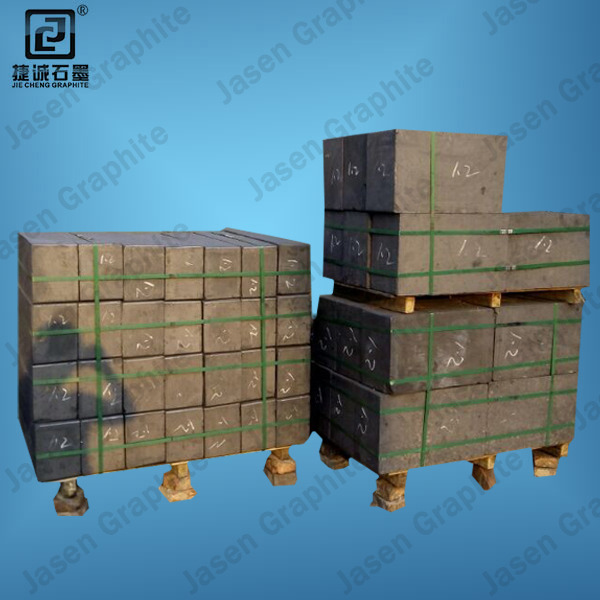
Verified Application Cases: Prior matching experience for your furnace model is critical. For example, isostatic graphite for large-size monocrystalline furnace thermal fields normally undergoes graphitization at around 2800℃, with density of 1.78–1.82 g/cm³ and ash content of 3–5 ppm to fit N-type production lines. Suppliers with validated N-type thermal field references can greatly lower project risks.
Delivery & Service: Stable lead time, fast technical response and consistent batch-to-batch quality.
4. How to Verify Batch Stability
Batch-to-batch performance fluctuation is a hidden risk in graphite procurement. In industry practice, buyers may ask suppliers for continuous batch test records, with a reference fluctuation limit of ≤3%. Small-batch trial runs are recommended for gradual validation. Require batch-specific certificates of analysis covering density, compressive strength, resistivity, ash content and raw test data, rather than simple pass/fail results.
5. How to Choose Graphite Machining Manufacturers and What Drawings to Submit for Quotation
New purchasers often wonder how to select graphite factories and what drawings are required for quotation. The six evaluation dimensions above still apply, supplemented by two extra checks: whether the factory’s CNC equipment meets your precision requirements and whether they have relevant application experience.
For quotation, prepare complete drawings marked with dimensions, tolerances and surface roughness. Material specifications including isostatic graphite density grade, ash content and coating requirements should also be stated on drawings or technical agreements. Clear specifications bring accurate quotations and reduce disputes afterwards. When cooperating with Dongguan graphite machining factories or export-focused graphite suppliers, clarify responsibilities for packaging, logistics and export compliance before order confirmation. A cited industry report states China’s graphite product market reached about 12.8 billion RMB in 2023 with an 8.2% CAGR. This figure is for reference only and shall not be used as a direct basis for purchasing decisions.
6. Trend Note: Evaluation Shifts from Machining Capacity to System Capability
Driven by N-type cell capacity expansion, high-purity graphite products are trending toward higher purity and longer service life. Industry observations show supplier assessment is evolving from single machining capability to integrated system solution competence. Apart from machining capacity, buyers should evaluate the supplier’s support in material grade recommendation, coating design and failure analysis. These factors largely determine the total cost of components throughout their service life.